
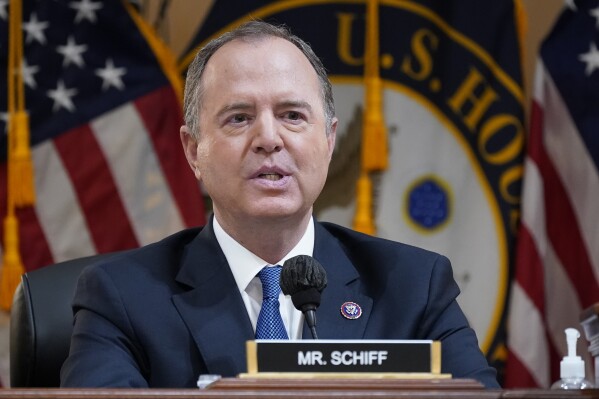
Imagine scrolling through TikTok and seeing a video of a well-known politician making a shocking statement—something that could change your opinion or even sway an entire election. But what if that video was never real to begin with?
That’s the growing threat of deepfakes—hyper-realistic videos created using artificial intelligence to manipulate someone’s voice, appearance, or actions. These synthetic videos are getting harder to detect and easier to create, and they’re already being used to spread false information online. From faked political speeches to AI-generated campaign ads, deepfakes are reshaping the way we experience news and media.
Now, Congress is stepping in. Lawmakers recently introduced the Protecting Election Integrity from Deepfakes Act, a bipartisan bill that would require clear labeling on AI-generated political content and give the Federal Election Commission (FEC) the power to investigate intentionally deceptive synthetic media during election cycles. The bill is designed to prevent confusion, stop the spread of fake news, and protect voters from being manipulated by content that looks real but isn’t.
This legislation comes at a time when trust in digital content is already at an all-time low. As more people—especially teens—turn to platforms like Instagram, TikTok, and YouTube for information, the line between truth and fabrication gets blurrier every day. One viral deepfake can mislead millions before the truth ever catches up.
So why does this matter to young people? Because we are the most connected and most online generation in history. We’re constantly consuming content—and that means we’re also more likely to encounter misinformation. While AI can be used for creativity and innovation, it’s also being weaponized to distort reality, stir division, and erode trust in democracy.
Legislation is one step forward, but education is just as important. That’s where media literacy comes in. Being media savvy means learning how to:
- Spot misleading or manipulated content
- Question the source and intent of what we’re watching
- Recognize signs of AI-generated material
- Think critically before sharing or reacting
At Media Savvy Teens, we believe that knowing how to navigate this new digital world is a superpower. Misinformation may be getting smarter, but so can we.
As Congress debates how to regulate synthetic media, we’ll keep watching, learning, and sharing what you need to know—because staying informed is one of the best ways to protect yourself and your community from digital deception.
Let’s keep asking questions. Let’s keep pushing for truth.
 Media Savvy Teens
Leave a comment