
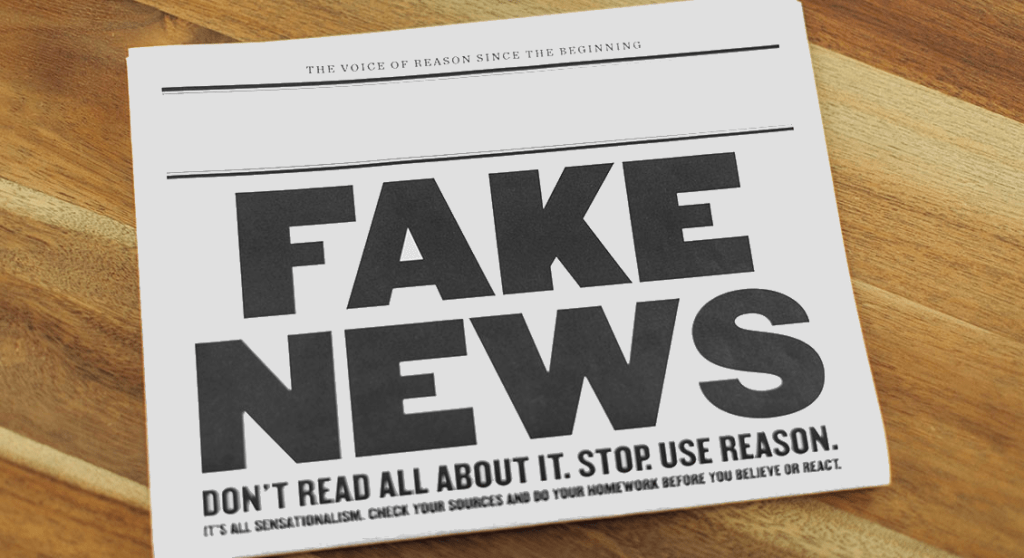
The big question is how do we know what is fact and what is not during our internet age where there is a lot of information? The fast spread of fake news—the content that intentionally misrepresents the truth as news—has become a serious problem. This constantly affects teenagers who are constant consumers of social media sites.
The Prevalence of Fake News
Fake news isn’t particularly new, but the Internet and social media have reached it to new levels. In a 2024 study, more than a third of the consumers surveyed worldwide said they had seen false news about politics, which helped showcase the global scale of the problem. In the U.S., worry about identifying real and fake news online has jumped to 59% of people, 3% greater than last year.The rising concern also underscores the need for better media literacy.
The Impact on Teenagers
Teenagers are more likely to believe all this fake news surrounding the internet. Teenagers nowadays rely on what they see, or hear on the internet. This false information can shape their views, actions and even mental well being. For example, teenagers have been known to use the internet to inform themselves about any topic. What would happen if a teenager decides to look up medical information for a cough, they could even end up in the hospital for misinformation and guidance they choose to follow. It is crucial to know how to identify these fake news to avoid possible harm.
How to Spot Fake News
In order to make sure all teenagers are safe on the internet, it is crucial to develop basic fake news identifying skills. Here are some easy but essential methods to check if news are reliable or not:
1. Consider the Source: Investigate the website or publication to understand its mission and credibility. Reliable sources will look authentic and will most likely have some type of rechout information.
2. Read Beyond the Headline: Headlines can be misleading. Read the full article to understand the complete story and context. From there you can determine if that article is up to reliability standards.
3. Check the Author: Research the author’s credentials to ensure they are credible and real. Authors you want to trust include famous authors, researchers, professors or specialists. You don’t want to trust a guy writing from their basement.
4. Supporting Sources: Verify that the information is supported by evidence from reliable sources. Cross-referencing with trusted outlets can confirm accuracy.
5. Check the Date: Ensure the information is current and relevant. Reposting old news can mislead readers about the timeliness of events. A good rule to follow is always adhering to a 5 year rule.
6. Check for Opinions: Be aware of authors charing opinions and not facts. Recognizing personal opinions can help disregard fake information.
7. Fact-Check: Don’t just use or read one source, search for more! Even if the first article you read is truthful, it never is harmful to read to get better information.
By using these strategies, teenagers can use the media and social media safely and responsibly. Being aware and questioning the information found online are fundamental for stopping the spread of fake news.
 Media Savvy Teens
Leave a comment