
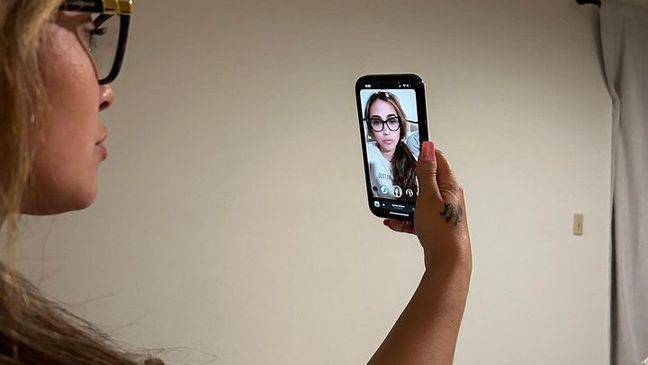
Social media filters have become a fun and creative way for teens to enhance their photos and express themselves. From adding cute animal ears to perfecting skin tone, these filters can make selfies more exciting. But while they seem harmless, filters can also have unexpected effects on mental health, self-esteem, and even online safety.
One major concern is the rise of “beauty filters” that alter facial features, making eyes bigger, noses smaller, and skin smoother. Studies show that constantly seeing an unrealistic version of yourself can lead to body dissatisfaction and lower self-esteem. Many teens compare themselves to these digitally altered images, feeling pressure to look “perfect” in real life.
Another issue is privacy and data collection. Some apps use augmented reality (AR) filters that scan faces, collecting biometric data. While companies claim they don’t store this data, concerns remain about how this information could be used in the future.
Filters also contribute to misrepresentation online. A minor using an age-altering filter could appear older, making them more vulnerable to inappropriate interactions. On the flip side, adults using filters can disguise themselves as teens, raising safety concerns in online spaces.
To use filters in a healthy way, it’s important to keep a balanced perspective. Enjoy them for fun, but remember that no filter defines real beauty. Being aware of privacy settings and understanding how filters impact self-perception can help create a safer and more positive online experience.


Leave a Reply