
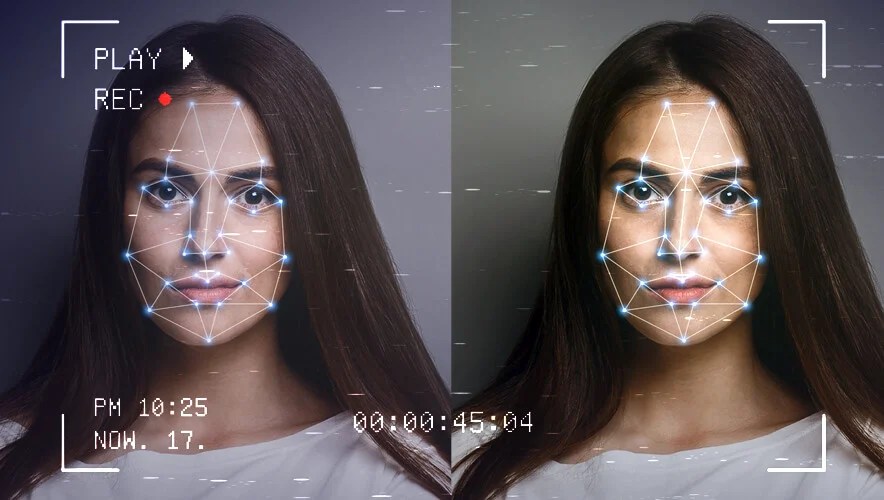
In the digital age, deepfake technology has emerged as one of the most pressing challenges to media literacy and internet safety. With artificial intelligence (AI) capable of manipulating videos, images, and audio to create hyper-realistic fake content, young people are increasingly vulnerable to misinformation, cyberbullying, and online manipulation. Media literacy organizations, such as Media Savvy Teens, play a crucial role in educating teenagers on how to navigate this evolving digital landscape.
What Are Deepfakes?
Deepfakes are AI-generated media that alter reality by replacing or modifying faces, voices, and actions in digital content. While some deepfakes are created for entertainment and harmless fun, many have been used to spread false information, manipulate public opinion, or exploit individuals. For example, deepfake videos have been used in political disinformation campaigns, celebrity hoaxes, and even online scams.
Why Are Teens at Risk?
Teenagers, who spend a significant amount of time on social media and digital platforms, are especially susceptible to deepfake content. The combination of rapid information consumption and limited critical analysis skills makes it easier for false narratives to spread unchecked. Additionally, cyberbullying using deepfake technology has become a growing concern, with manipulated videos and images being used to harass or embarrass young people.
How Can Teens Protect Themselves?
To stay media savvy in the face of deepfake technology, teenagers should develop critical thinking skills and adopt fact-checking habits. Here are some key steps:
- Verify the Source – Always check if a video, image, or audio clip comes from a reputable news organization or an official source before sharing it.
- Look for Inconsistencies – Deepfake videos often have visual distortions, unnatural facial expressions, or mismatched audio and lip movements.
- Use Fact-Checking Tools – Websites like Snopes, FactCheck.org, and tools like Google’s reverse image search can help verify the authenticity of content.
- Be Skeptical of Sensational Content – If a video or image seems too shocking or too good to be true, it’s worth investigating further before believing or spreading it.
- Report Suspicious Content – If you come across a deepfake designed to deceive or harm others, report it to the platform and inform others about the potential misinformation.
The Role of Media Literacy Programs
Media literacy organizations, like Media Savvy Teens, are essential in equipping young people with the tools they need to critically analyze online content. By offering workshops, resources, and interactive activities, these programs help teens develop a deeper understanding of digital media and the risks associated with emerging technologies.
Conclusion
As deepfake technology continues to evolve, so must our ability to recognize and respond to it. By fostering media literacy and promoting critical thinking, we can empower teens to navigate the digital world safely and responsibly. Education and awareness are the most powerful tools in the fight against misinformation and digital manipulation.
Bibliography
- Chesney, Robert, and Danielle Citron. “Deepfakes and the New Disinformation War.” Foreign Affairs, January/February 2019.
- Paris, Britt, and Joan Donovan. Deepfakes and Cheap Fakes: The Manipulation of Audio and Visual Evidence. Data & Society, 2019.
- Vaccari, Cristian, and Andrew Chadwick. “Deepfakes and Disinformation: Exploring the Impact of Synthetic Political Video on Deception, Uncertainty, and Trust in News.” Social Media + Society, 2020.
- West, Darrell M. “How to Combat Fake News and Disinformation.” Brookings Institution Report, December 2017.


Leave a Reply